Views: 0 Author: Site Editor Publish Time: 2026-07-18 Origin: Site
Equipment operators know the frustrating reality of climbing onto a seemingly dry machine only to experience a wet backside minutes later. Hidden water retention plagues standard equipment seating. It turns a routine mowing session into an uncomfortable ordeal. Many operators attempt the common towel hack. They lay down fabric to absorb the moisture. This temporary fix ignores a much deeper mechanical failure occurring beneath the surface.
Water ingress represents more than just operator discomfort. It acts as a catalyst for accelerated equipment degradation. When moisture penetrates the vinyl cover, it initiates polyurethane foam rot. It causes structural rust on the metal pan. It destroys the cushion-to-pan adhesive. Eventually, this leads to the complete deterioration of the operator station. Understanding how moisture compromises structural integrity helps you maintain your equipment properly.
This guide explores the engineering purpose behind proper drainage systems. We evaluate the mechanics of water retention and analyze why certain factory designs fail. We also establish a clear framework for deciding whether to modify your existing setup, attempt a rebuild, or invest in a high-quality replacement lawn tractor seat.
Drainage Dictates Lifespan: Trapped moisture accelerates the chemical breakdown of internal foam, degrades structural adhesives, and oxidizes metal seat pans; proper drainage extends seat life by years.
DIY Drilling Carries Hidden Risks: Modifying a steel seat pan without treating the exposed metal can introduce rust faster than natural wear, potentially voiding equipment warranties.
Temporary Workarounds Fail: Relying on seat covers, towels, or plastic bags over a compromised seat traps humidity, accelerating pan rust and mold growth.
Material Selection Matters: Upgrading to a true waterproof mower seat with vacuum-formed vinyl and integrated drainage channels offers a higher long-term ROI than patching cracked vinyl or trying to re-glue separated cushions.
Replacement is Often More Cost-Effective: Once the "sponge effect" takes hold in the cushion, structural integrity is compromised, making a replacement lawn tractor seat the most viable operational decision.
A structurally sound outdoor mower seat must repel surface water entirely while allowing internal condensation to escape. When evaluating equipment, success criteria rely on the barrier's ability to withstand environmental stress without absorbing moisture. A compromised unit fails this basic function. It acts as a reservoir rather than a protective barrier. Understanding the difference between surface moisture and internal pooling dictates how you approach maintenance and replacement. In the field, we see seats that look fine on the outside but weigh ten pounds more than they should because they are full of water.
Equipment seating endures constant physical stress. Ultraviolet exposure bakes the vinyl. It strips away plasticizers and leaves the material brittle. Temperature fluctuations cause the cover to expand and contract daily. Add the dynamic weight of an operator traversing uneven terrain, and the material inevitably develops micro-tears. Stitched seams represent the weakest points in the design. As the thread degrades and the vinyl stretches, these seams separate. They create direct entry points for rainwater to bypass the protective outer layer. Once that seam pops, every rainstorm pushes more water into the core.
Most standard factory seating utilizes open-cell polyurethane foam for cost-effective comfort. Open-cell structures feature interconnected pockets that compress easily. They also draw in liquids through capillary action. Once water enters through a cracked cover, the foam absorbs it like a sponge. Because the vinyl restricts airflow, the trapped water cannot evaporate. This persistent dampness breeds mold and mildew. It breaks down the chemical bonds of the polyurethane. It destroys the ergonomic support the cushion was designed to provide. You end up sitting on a hard, lumpy, wet block.
Standing water inside the cushion attacks the assembly from the inside out. Manufacturers typically use industrial adhesives, heavy-duty staples, or channel clamps to secure the vinyl cover and foam to the base pan. Prolonged exposure to moisture dissolves these factory adhesives. It rusts the metal staples. As the fastening system fails, the cushion begins to slide or detach completely from the frame during operation. This creates a severe safety hazard for the operator, especially on zero-turn mowers where body positioning is critical for control.
Factory seat designs balance production costs against expected environmental exposure. Engineers evaluate how water interacts with different materials to determine necessary drainage features. The inclusion of specific water-routing designs directly correlates with the intended application of the machine. This separates residential-grade components from heavy-duty commercial equipment. A homeowner might park their mower in a garage, but a landscaping crew leaves their machines on the trailer in the rain.
The base material dictates the drainage requirements. Steel pans offer superior structural rigidity but remain highly susceptible to oxidation. When water pools against a steel pan, it requires precise drainage to prevent structural rust that can eat through the mounting points. Conversely, plastic pans resist corrosion entirely. When manufacturers use plastic bases, they include lawn mower seat drain holes primarily to protect the internal foam from rotting, rather than to protect the pan itself. We often see steel pans completely rusted out around the bolt holes because water sat there for months.
Operators frequently ask why their factory equipment lacks proper drainage. The answer lies in production economics. Budget mower manufacturing relies on simplified molds and standard stitched vinyl to keep retail prices low. They often omit engineered water routing. Premium commercial-grade equipment utilizes complex vacuum-formed molds with integrated channels and strategic drainage points. This ensures the machine remains operational in all weather conditions. You get what you pay for when it comes to outdoor durability.
The drainage efficiency of specialized seating extends far beyond turf maintenance. The rugged, self-draining characteristics required for turf equipment have made these designs highly popular in other extreme environments. Custom seating for white-water rafts and marine vessels frequently utilizes identical drainage technology. This cross-industry adoption validates the necessity of engineered water management in any outdoor seating application. If it works on a boat taking on river water, it will work on a tractor in a rainstorm.
Online forums frequently advise operators to simply drill holes directly into the pan to release trapped water. While this seems like a straightforward fix, it introduces significant implementation risks. Modifying factory components alters the structural dynamics of the assembly. Before taking a drill to your equipment, you must understand the mechanical consequences and prepare appropriate mitigation strategies. I have seen plenty of ruined seats from guys just grabbing a half-inch bit and going to town.
Drilling blindly into a seat pan can yield disastrous results. You risk hitting internal suspension springs. You might sever operator presence switch wires. You could weaken the primary mounting plate. A poorly placed hole concentrates stress. This potentially leads to metal fatigue and cracking under the operator's weight. Furthermore, unauthorized modifications to safety-critical components like the operator station will immediately void manufacturer warranties. Dealerships will reject a warranty claim the second they see a non-factory hole.
Many operators attempt to bypass the problem using temporary covers. Throwing a towel, garbage bag, or aftermarket slipcover over a wet cushion actually accelerates degradation. These covers trap ambient humidity and existing moisture against the metal plate underneath. The lack of ventilation creates a greenhouse effect. It supercharges rust formation on the pan and promotes aggressive mold growth within the foam. A plastic bag just bakes the moisture into the foam during a hot summer day.
If you determine that modification is absolutely necessary, follow a strict technical framework to minimize damage. Do not skip these steps if you want the seat to survive the season.
Remove the entire assembly from the machine to inspect the underside clearly.
Locate the lowest pooling point by pressing firmly on the waterlogged cushion and observing where water naturally gathers.
Verify clearance to ensure your drill path avoids mounting hardware, slide tracks, and safety switches.
Select a small, sharp step bit to create a clean hole without tearing the surrounding metal.
Apply a high-quality rust-inhibiting paint or cold galvanizing compound to the exposed metal edges immediately after drilling.
Dealing with a waterlogged cushion requires a clear decision matrix. Operators must evaluate the extent of the damage to choose between patching, rebuilding, or replacing the unit entirely. The following table outlines the viability of different approaches based on the condition of the equipment. Use this to figure out your next move.
Condition | Recommended Action | Expected Longevity |
|---|---|---|
Single clean cut, foam dry, under 2 years old | Patch and Seal | 1-2 Seasons |
Cover separated, foam intact, pan rust-free | Re-attach and Re-skin | 2-3 Seasons |
Foam holds water, extensive cracking, pan rusted | Full Replacement | 5+ Years |
Safety switch mount rusted, bolts stripped | Full Replacement | 5+ Years |
Vinyl repair tape or liquid sealants offer a viable solution only in very narrow use-cases. If your equipment is less than two years old and suffers a single, clean cut from a sharp object, patching works. The critical factor is that the internal foam must be completely dry before application. Sealing over damp foam guarantees internal rot. Clean the area thoroughly with isopropyl alcohol before applying any marine-grade vinyl adhesive. Press the tape down hard to remove air bubbles.
Rebuilding a seat requires specialized tools and significant labor. Operators attempting to re-skin a cushion need oscillating tools to remove rusted staples. They need heavy-duty clamps to compress the foam. They need industrial contact cement to secure the new vinyl. While technically possible, the labor hours and material costs often exceed the price of a new unit. Re-skinning rarely achieves the tight, water-resistant seal provided by factory machinery. Most guys give up halfway through and just buy a new one anyway.
Certain criteria mandate an immediate upgrade. If you discover structural rust on the primary mounting bolts, the unit is unsafe. If the foam remains wet 48 hours after rain, the open-cell structure has failed. Extensive spider-web cracking across the main seating area or complete separation of the cushion from the base pan indicates the end of the component's service life. At this stage, investing in a new Lawn Mower Seat becomes the most viable operational decision. Don't risk a failure while operating heavy machinery on a slope.
Selecting a replacement requires understanding conceptual trade-offs. You want to solve the water retention problem permanently. This means prioritizing material quality and engineering over the lowest initial price. A proper replacement improves operator ergonomics. It enhances machine safety. It withstands harsh environmental exposure without degrading. Look at the construction methods, not just the color or the brand name.
Modern engineering has evolved beyond the simple bottom-drilled hole. Premium designs utilize sloped integrated drainage channels molded directly into the cushion. These channels direct surface water away from the operator and off the edges of the machine before it can pool. While center holes help evacuate internal moisture, surface channels prevent the water from penetrating the material in the first place. They offer superior long-term protection. You want water to run off the sides, not sit in the middle waiting to drain.
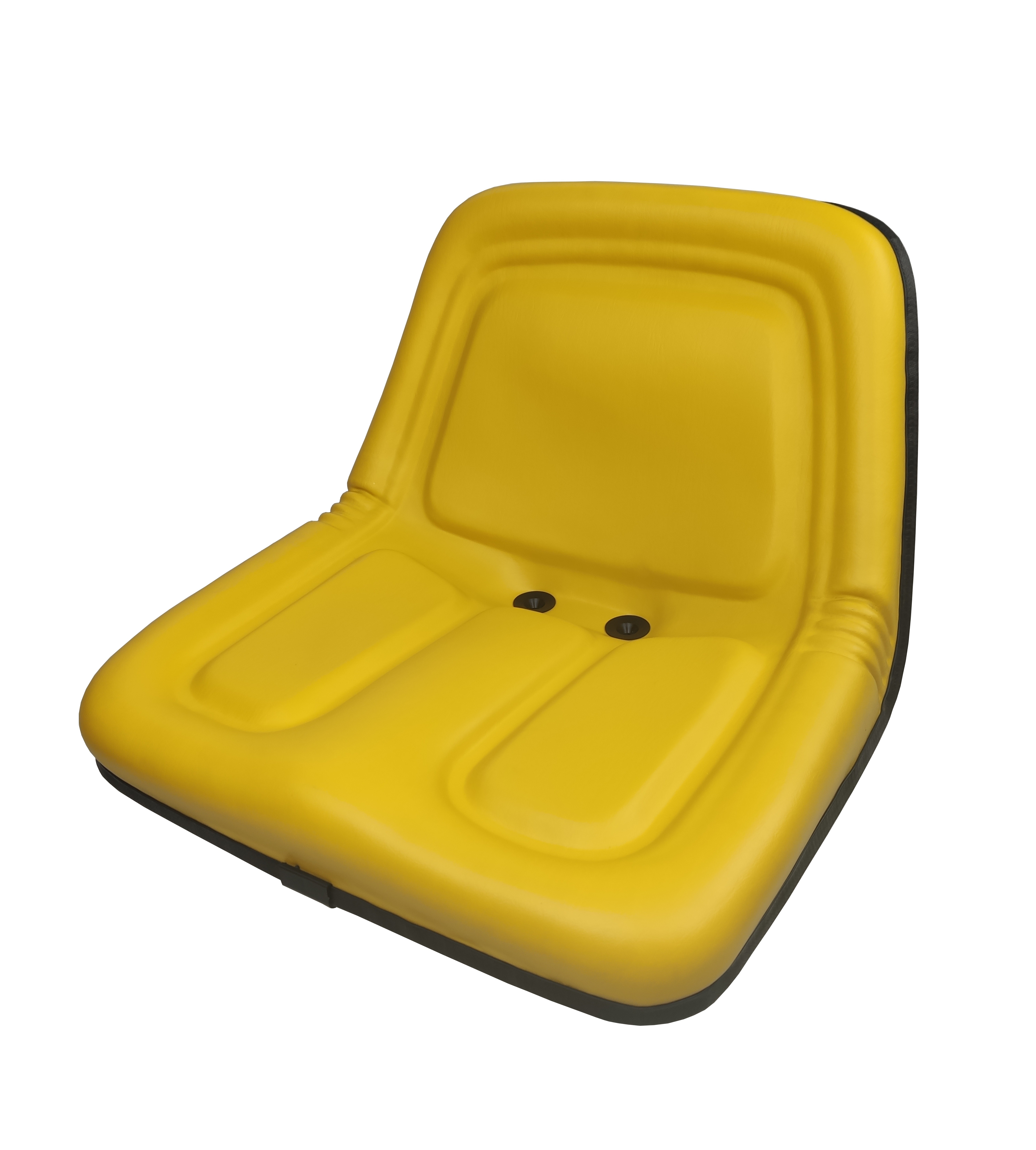
The gold standard for a true waterproof mower seat is seamless, vacuum-formed construction. This manufacturing process heats a single sheet of heavy-duty vinyl and pulls it tightly over the foam and pan using a vacuum. This eliminates all stitched seams across the top and sides of the cushion. Without needle holes or thread to degrade, water has no natural entry point. This drastically extends the lifespan of the equipment. It is the only way to truly beat the rain.
A superior design holds no value if it cannot mount to your machine. Before purchasing, you must verify hardware compatibility. Measure the existing bolt mounting pattern on your slide tracks or suspension base. Ensure the new unit accommodates your specific operator presence switch to maintain the machine's safety interlock system. Check the clearance between the new cushion dimensions and your steering levers or steering wheel. Grab a tape measure and check the bolt hole centers left-to-right and front-to-back.
Proper drainage remains a critical structural requirement for outdoor equipment longevity and operator comfort. Trapped moisture systematically destroys foam, adhesives, and metal components. It turns a minor annoyance into a major mechanical failure. Understanding the mechanics of water retention allows operators to make informed maintenance decisions rather than relying on ineffective temporary hacks.
When addressing a waterlogged cushion, adhere to a strict decision framework. Do not drill into a steel pan unless you are fully prepared to rust-proof the exposed metal. Avoid patching if the internal foam already exhibits signs of rot. When upgrading, prioritize seamless, vacuum-formed designs that prevent water ingress entirely.
Remove your current seat and inspect the bottom pan for structural rust around the mounting bolts.
Press firmly on the main cushion to test the foam for hidden water retention.
Measure your bolt mounting pattern and note your safety switch configuration.
Order a vacuum-formed replacement unit if your current foam stays wet for more than two days.
A: Seats hold water due to the breakdown of the outer vinyl cover and the failure of internal adhesives. UV exposure and physical stress create micro-tears and seam separations. Once water enters, the open-cell polyurethane foam absorbs it like a sponge, and the non-breathable vinyl prevents it from evaporating.
A: Drilling introduces risks of structural weakening and rust. If you hit internal springs or safety switches, you can ruin the assembly and void warranties. If you must drill a steel pan, you must immediately treat the exposed metal edges with rust-inhibiting paint to prevent rapid oxidation.
A: Budget-conscious manufacturing often omits engineered drainage channels to reduce production costs. Standard residential mowers use simplified molds and stitched vinyl to keep retail prices low, whereas commercial-grade equipment includes proper water routing to withstand constant outdoor exposure.
A: A truly waterproof design utilizes vacuum-formed, seamless vinyl construction. This process eliminates stitched seams, removing the primary entry points for water. Combined with closed-cell foam materials and integrated surface drainage channels, these seats actively repel moisture rather than absorbing it.
A: Remove the assembly from the mower and store it in a warm, climate-controlled, well-ventilated area. Apply heavy, even pressure to the cushion to physically expel trapped water. However, if the foam has begun to rot or smells of mildew, drying is ineffective, and replacement is required.
A: Yes. The rugged, self-draining nature of premium turf equipment seating makes them highly sought-after for marine uses. Their ability to withstand UV exposure, repel water, and provide ergonomic support translates perfectly to white-water rafts and custom boat builds.
A: No. You must verify the universal mounting bolt pattern on the bottom of the new seat matches your mower's brackets or slide tracks. Additionally, you must ensure the new seat has the correct cutout or mounting point for your machine's specific operator presence safety switch.