Views: 388 Author: Site Editor Publish Time: 2026-07-06 Origin: Site
Degraded operator seating carries hidden costs that extend far beyond simple discomfort. Prolonged exposure to Whole-Body Vibration (WBV) directly correlates with severe operator fatigue, decreased daily productivity, and a sharp increase in workers' compensation claims due to spinal strain. Sourcing a high-quality Heavy Machinery Seat requires careful technical evaluation. Purchasing a unit based solely on visual similarity or initial availability often leads to critical failures in physical fitment, safety standard compliance, or electrical system integration.
You need a systematic, evidence-based framework to evaluate replacement options effectively. By analyzing machine specifications, specific operator profiles, environmental exposure levels, and mandatory safety standards, you can select a unit that protects the operator and maximizes operational uptime. This guide breaks down the exact criteria needed to make an informed, structurally sound seating upgrade.
Fitment Dictates Feasibility: Accurate measurement of bolt patterns, cab dimensions, and mounting plates is the non-negotiable first step before evaluating comfort features.
Suspension Type Drives Ergonomics: Choosing between mechanical and air suspension depends heavily on the machine's operating terrain, available power sources, and the operator's shift duration.
Multi-Operator Adaptability is Critical: Fleet vehicles with multiple operators require quick-adjust suspension and ergonomic systems to maintain productivity across shifts.
Safety Integration is Mandatory: Modern equipment requires seamless integration with Operator Presence Switches (OPS) and seat belt interlock systems to maintain compliance.
Environment Dictates Materials: Open-cab vs. closed-cab environments fundamentally alter the required durability, weather resistance, and upholstery choices of the seat.
Investing in engineered seating directly addresses the clinical and operational impacts of WBV. Heavy equipment operators absorb constant low-frequency shocks that degrade spinal health over time. A properly calibrated suspension system isolates the operator from these destructive frequencies, mitigating long-term back injuries and keeping skilled operators in the field rather than on medical leave. When you evaluate the mechanics of vibration dampening, you realize that the seat acts as the primary shock absorber between the chassis and the human spine. Upgrading this component is a direct investment in risk management.
Operational efficiency also hinges on ergonomics. Multi-point adjustability—including lumbar support, backrest angle, and armrest height—dramatically reduces physical fatigue during grueling 10-to-12-hour shifts. When operators remain comfortable and alert, cycle times improve, and costly operational error rates drop significantly. You will notice that operators who are not fighting their equipment perform grading, trenching, and loading tasks with much higher precision. The physical toll of operating heavy machinery is immense, and mitigating that toll through proper seating geometry pays dividends in daily output.
Furthermore, the structural integrity of the seat frame and suspension components dictates the longevity of the upgrade. Cheap replacements often feature thin-gauge steel and low-density foam that compress and fail within a single season. High-quality units utilize reinforced steel frames, high-density molded polyurethane foam, and heavy-duty suspension linkages designed to withstand thousands of hours of continuous abuse. This durability ensures that the equipment remains operational without requiring frequent, disruptive maintenance interventions.
Physical fitment is the absolute baseline for any installation. You must assess cab dimensions and spatial limitations before looking at features. Measure the maximum allowable height, width, and depth within the cabin. Pay strict attention to clearance requirements for joysticks, steering columns, and side consoles. A seat that restricts control access creates an immediate safety hazard. You need to ensure that the operator has a full range of motion to operate all hydraulic controls without their elbows or knees striking the cabin interior.
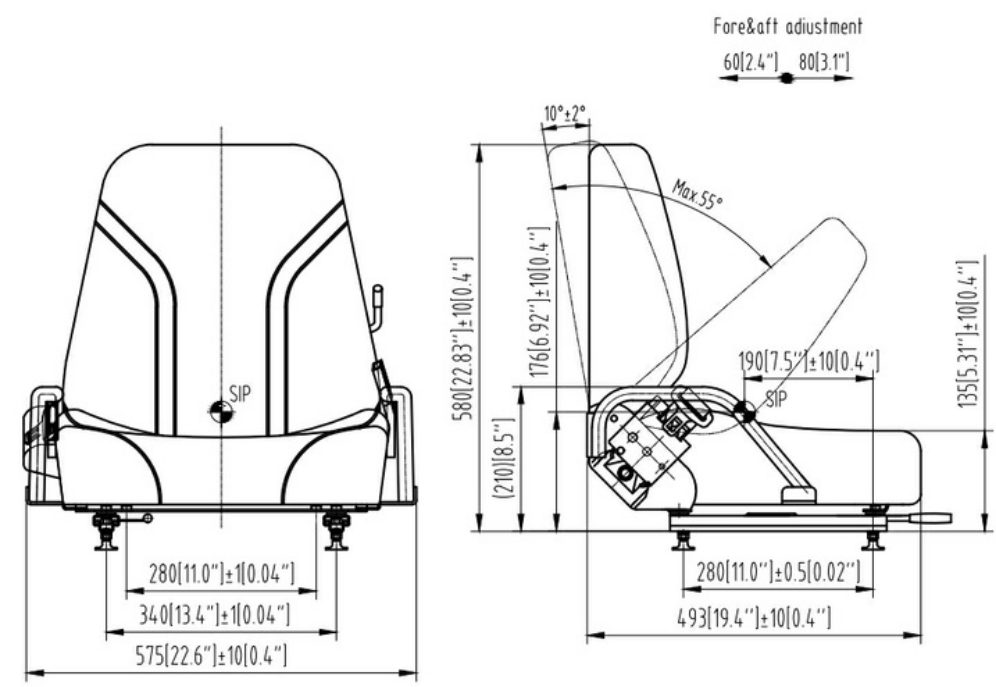
Evaluating bolt patterns and mounting plates ensures structural integrity. Measure the existing slide-rail widths and the front-to-back bolt hole spacing accurately. Ensuring proper construction seat compatibility often requires OEM-specific adapter plates or custom installation kits for brands like CAT, John Deere, Komatsu, or Case. These plates eliminate the need for dangerous structural drilling or welding on certified rollover protection frames. Modifying a ROPS-certified structure is illegal and highly dangerous, making adapter plates a mandatory component of the installation process.
Equipment class distinctions and cabin configurations further dictate your choices. Fitment criteria for heavy earthmoving equipment like excavators, wheel loaders, and dozers differ vastly from utility and light industrial equipment such as skid steers, RTVs, and telehandlers. Additionally, open versus closed cabin requirements fundamentally alter the structural and material needs. Seats exposed to direct UV rays, rain, and extreme dust require specialized drainage and weatherproofing compared to those in climate-controlled environments.
To ensure a seamless installation, follow these specific measurement steps:
Measure the side-to-side bolt hole centers on the existing mounting deck.
Measure the front-to-back bolt hole centers to determine the slide rail footprint.
Calculate the maximum compressed height to ensure the operator's head will not strike the roof.
Verify the clearance between the armrests and the side control pods.
Check the distance from the front edge of the cushion to the foot pedals.
The suspension mechanism is the core of operator protection. Mechanical suspension systems utilize heavy-duty coil springs and hydraulic shock absorbers to dampen impacts. They offer a lower initial acquisition cost and zero reliance on electrical or pneumatic systems. However, they provide limited adjustability and less effective vibration dampening on extreme, rocky terrain. They remain best suited for older machinery, open-cab tractors, light utility vehicles, and fleet replacements where electrical integration is not feasible.
Air suspension systems utilize internal 12V or 24V compressors, or they integrate directly with the machine's existing pneumatic supply. A high-quality suspension operator seat delivers superior WBV isolation and micro-adjustability. While they carry higher upfront costs and introduce potential compressor maintenance, they are indispensable for high-hour usage, heavy earthmoving equipment, and operators with pre-existing ergonomic requirements. The ability to fine-tune the ride height and stiffness with the push of a button drastically improves operator comfort over uneven terrain.
Operator profiles dictate the adjustment mechanisms needed. Shared fleet machinery benefits immensely from automatic weight-sensing air suspensions, ensuring correct ride calibration instantly. Conversely, single-operator machines can often rely on manual weight-adjust dials found on mechanical suspensions. You must match the seat's weight capacity and stroke adjustments to the operator profile to prevent the suspension from bottoming out under heavy loads or topping out during severe rebounds.
Application-specific mobility often requires swivel and rotational mechanisms. Evaluate the necessity of 15°, 20°, or full 360° swivel bases for applications involving constant rearward visibility, grading, or forestry tasks. Swivel functions minimize operator neck and shoulder strain, allowing for safe, continuous monitoring of the work area without requiring the operator to twist their spine unnaturally.
Suspension Type | Power Requirement | Vibration Isolation | Best Application |
|---|---|---|---|
Mechanical Spring | None | Moderate | Skid steers, older tractors, open-cab utility vehicles |
12V Air Suspension | 12V DC Electrical | High | Mid-sized excavators, wheel loaders, graders |
24V Air Suspension | 24V DC Electrical | High | Heavy mining equipment, large articulated dump trucks |
Pneumatic Direct | Onboard Air Compressor | Very High | Highway trucks, specialized heavy industrial machinery |
Upholstery determines the lifespan of an industrial equipment seat. Heavy-duty vinyl is the standard for open-cab environments. It offers excellent waterproof properties, ease of cleaning, and high resistance to grease and hydraulic oil. The primary trade-off is reduced breathability, which can lead to operator discomfort and sweating in high-heat conditions. Vinyl is highly practical for machines that are frequently washed down with pressure washers or left exposed to the elements overnight.
Industrial cloth or fabric is ideal for closed, climate-controlled cabs. Fabric provides superior breathability and temperature regulation during long shifts. However, it is highly susceptible to staining, retains moisture if exposed to the elements, and requires more rigorous maintenance to keep clean. Operators working in air-conditioned environments strongly prefer fabric for its comfort, but fleet managers must ensure the cabin remains sealed against heavy dust and rain to prevent the material from degrading prematurely.
Genuine leather and advanced synthetic compounds serve as premium options for high-end machinery. These materials balance extreme durability with exceptional operator comfort, though they require specific conditioning to prevent cracking over time. Synthetic leathers have advanced significantly, offering the look and feel of genuine leather while providing superior resistance to UV degradation and chemical spills. Selecting the right material requires a realistic assessment of the operating environment and the maintenance protocols in place.
Modern equipment relies on complex safety interlocks. Operator Presence Switches (OPS) perform a critical function by shutting down the PTO or engine when the operator stands or falls from the machine. You must verify the electrical integration requirements, determining whether the machine utilizes normally open or normally closed circuits, and whether it requires a 2-wire or 3-wire setup. Failing to match the OPS wiring correctly will result in a machine that either will not start or operates unsafely without the dead-man switch engaged.
Seat belts and restraint systems must match the machine's safety rating. Evaluate the requirements for 2-point lap belts versus 3-point retractable harnesses. Integration with Roll-Over Protective Structures (ROPS) is vital; you must ensure the seat frame itself is rated to handle the specific restraint type without failing during an incident. The tether points for the seat belt must be anchored to reinforced sections of the seat frame, and the entire assembly must be bolted securely to the machine's chassis using high-tensile hardware.
Heaters and ventilation systems offer optional but highly impactful comfort upgrades. If selecting these features, assess the electrical load requirements for heated cushions or ventilated fans, and verify that the machine's alternator capacity can handle the continuous draw without draining the battery. Wiring these accessories requires proper fusing and relay installation to prevent electrical fires or damage to the machine's primary wiring harness.
Choosing between factory and aftermarket options involves distinct trade-offs. OEM (Original Equipment Manufacturer) seats guarantee exact fitment, seamless electrical integration, and maintain the factory warranty without question. However, they often come at significantly higher price points and offer limited options for ergonomic upgrades if the factory design was inherently poor. You are essentially paying a premium for the brand name and the convenience of a guaranteed bolt-in replacement.
Premium aftermarket options provide a highly customizable heavy machinery replacement seat. They often feature superior suspension technology, are highly cost-effective, and offer universal or model-specific installation kits. The drawback is that they require rigorous verification of dimensions and may necessitate adapter plates or minor wiring harness modifications to function correctly. When you source from a reputable aftermarket manufacturer, you can often secure a seat with better lumbar support, thicker foam, and a more robust suspension system than the original factory unit.
Replacing seating involves specific technical risks that must be managed. Purchasing a 24V air suspension unit for a 12V machine will result in immediate compressor failure or non-operation. Mitigate this by strictly verifying the machine's electrical system voltage prior to procurement. Check the battery configuration and the alternator output to confirm the operating voltage.
Altering the operator's line of sight or pedal reach is another common risk. Mitigate this by calculating the Seat Index Point (SIP) and comparing the compressed versus uncompressed heights of the old and new units. Proper visibility is a strict safety requirement. If the new seat sits too high, the operator may not be able to see the bucket edge or the forks clearly, leading to operational errors and potential accidents.
Bypassing safety switches due to incompatible wiring creates massive liability. Never bypass an OPS. Source exact-match wiring harnesses or consult a qualified technician for proper relay installation to ensure safety systems remain active. If an accident occurs and investigators find that the safety interlocks were intentionally disabled during a seat installation, the legal and financial repercussions for the company can be devastating.
Damaging structural integrity via DIY mounting modifications can void ROPS certifications. Never drill or weld a ROPS-certified frame. Always utilize engineered aftermarket custom installation kits to bridge physical mounting gaps safely and legally. These kits are laser-cut and press-braked to match the exact contours of the machine's floor pan, ensuring a secure, factory-quality installation without compromising the structural safety of the cabin.
Choosing a heavy machinery seat is a critical engineering and safety decision, not just a simple comfort upgrade. The right unit protects operator health, ensures regulatory compliance, and maximizes daily equipment output. By systematically evaluating the physical, electrical, and environmental requirements of your specific machinery, you can source a replacement that delivers long-term reliability and superior ergonomics.
Follow a strict sequential decision path. First, verify physical fitment and cab type constraints. Second, determine all electrical and safety interlock requirements. Third, select the appropriate suspension type based on operating hours and terrain severity. Finally, choose upholstery materials based on environmental exposure.
Measure your current bolt patterns and cabin clearances to establish a baseline for fitment.
Identify your machine's electrical voltage to ensure compatibility with air compressors and heaters.
Map out specific operator rotation or swivel needs based on the primary tasks performed by the machine.
Consult with a specialized industrial seating supplier to verify custom adapter plate requirements.
A: Start by measuring the bolt pattern width (side-to-side) and depth (front-to-back) on the mounting base. Next, measure the overall external dimensions—maximum width, depth, and height—to ensure it clears joysticks and consoles. Finally, measure the compressed height to verify the operator's line of sight remains unchanged.
A: No. Air suspension requires a compatible 12V or 24V power source to run the internal compressor, or a direct connection to the machine's pneumatic system. Additionally, the cabin must have sufficient vertical clearance to accommodate the suspension stroke without the operator's head hitting the roof.
A: For multi-operator machines, an automatic weight-adjusting air suspension is ideal, as it instantly calibrates to the user. If using a mechanical suspension, select a model with an easily accessible, manual weight-adjustment dial and clear indicator markings to ensure each operator sets the correct tension before their shift.
A: An OPS is a safety sensor built into the seat cushion. It detects the operator's weight. If the operator stands up or falls out, the switch interrupts the circuit, safely shutting down the engine or disengaging the Power Take-Off (PTO) to prevent severe accidents.
A: Drilling new holes or welding directly onto a ROPS-certified cabin floor or seat frame is highly dangerous and can void safety certifications. Always use engineered adapter plates or custom installation kits designed specifically to match your machine's factory bolt pattern to the new seat.