Views: 0 Author: Site Editor Publish Time: 2026-11-17 Origin: Site
Is your lawn mower seat feeling flat and lifeless after only a few minutes of mowing? The harsh reality is that constant usage destroys foam. Extreme vibrations from modern machinery eventually compromise the structural integrity of even the most robust materials. Operators often take their equipment for granted. Yet, this cushion is the primary barrier between your spine and the relentless jolts of the terrain. Understanding the rigorous testing process helps you identify exactly when a cushion has reached the end of its road.
The primary purpose of specialized seat foam goes far beyond basic softness. It provides sophisticated shock absorption. High-quality foam serves as a critical buffer. It isolates your body from severe chassis vibrations. Operating a mower for extended periods subjects your spine to repetitive vertical impacts. These shocks quickly lead to chronic fatigue or severe injury.
Optimal density ensures effective weight distribution. This matters immensely for maintaining good posture during long shifts. If the foam fails to recover its shape, it loses the ability to support your frame. Professional-grade materials are engineered to withstand these grueling conditions. Lower-tier alternatives often collapse within a single season. Investing in quality seating is a fundamental aspect of ergonomic safety.
In the engineering world, we formally define foam recovery by its compression set. This technical metric quantifies the permanent deformation remaining in a material after removing a heavy load. Does your seat remain indented long after you step off the mower? If so, it has suffered from a high compression set. The cellular structure has lost its memory.
Elasticity is dictated by complex cellular design. Open-cell structures allow air to circulate freely. This facilitates a quick return to form. Manufacturers rigorously analyze these microscopic properties. The goal is to ensure the cushion maintains its thickness throughout its intended service life. Looking at current industry trends, there is a massive shift in material science. The commercial landscaping sector is moving away from basic foams toward advanced high-resilience polyurethane blends. This transition addresses the rising demand for equipment that prioritizes both immediate operator comfort and long-term structural endurance under continuous daily use.
To simulate years of grueling field wear in a laboratory setting, engineers utilize a series of standardized protocols. Trial-and-error replacements are a thing of the past. Today, data-backed longevity drives commercial equipment design.
We rely on specific assessments to validate material endurance. The indentation force deflection test measures the exact force required to compress the foam by a quarter of its thickness. This establishes a firm baseline for support. Next comes constant force pounding. This is a brutal assessment. A weighted plunger drops onto the cushion thousands of times. It perfectly mimics the erratic terrain encountered by professional landscapers. Finally, recovery rate analysis tracks how efficiently the foam returns to its original dimensions.
To make this clearer, let us look at how standard materials compare against engineered solutions during these rigorous tests.
Testing Metric | Standard Foam | High-Resilience Polyurethane |
|---|---|---|
Compression Set Loss | 15 to 20 percent deformation | Under 5 percent deformation |
Impact Pounding Cycles | Fails around 50,000 cycles | Endures over 250,000 cycles |
Vibration Dampening | Low frequency absorption only | Multi-frequency shock isolation |
Pressure is only half the battle. UV radiation from direct sunlight degrades the chemical bonds in polyurethane. Meanwhile, moisture ingress accelerates the breakdown of cell walls. Modern industry standards emphasize hydro-resistant treatments to prevent this silent decay.
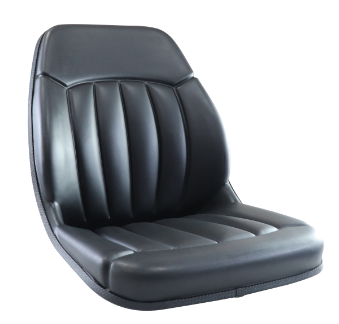
Quality manufacturers utilize accelerated aging chambers. By exposing seat samples to extreme heat and humidity cycles simultaneously, experts replicate years of outdoor storage in just a few weeks. This predictive modeling is crucial. It allows engineers to determine exactly when a cover will crack or the foam will crumble. The result is the development of better-sealed materials. A reliable turf care seat features heavy-duty PVC covers and vacuum-formed waterproof construction to survive the harsh conditions of professional maintenance.
Occasionally, even the most advanced foam reaches the physical limit of what it can dissipate. Operating on highly uneven ground transmits kinetic energy directly upward through the chassis. Relying solely on foam density can result in the material bottoming out. This limitation is exactly why many professionals are shifting toward a lawn mower suspension seat.
A mechanical suspension system functions as a secondary layer of protection. High-end models integrate weight adjustments from 50 to 130 kilograms and offer substantial suspension strokes. By utilizing steel springs and hydraulic dampers, these systems absorb the brunt of heavy impacts. The foam then only manages subtle micro-vibrations. This synergistic approach effectively extends the life of the cushion. The foam is no longer subjected to the constant deep compression that leads to premature failure.
Recognizing early symptoms of failure spares you from chronic back discomfort. The first visual warning signs are often subtle. You might notice minor wrinkling, fading, or small tears at the seams. However, the most reliable indicator is the bottom-out sensation.
Do you feel the rigid metal frame of the mower pressing against your tailbone while sitting? If so, the internal integrity of the foam is compromised. The material is permanently compressed and has lost its energy-absorbing properties. DIY repairs like adding extra padding or fabric patches are largely ineffective. Once the structural matrix of the foam is destroyed, it cannot be revived. Replacing the unit entirely is the only scientifically sound way to restore proper ergonomic support.
When the time comes to swap out your seat, focus on material density and mechanical support. Settling for generic options lacking proper ergonomic shaping is rarely a good idea. High-density polyurethane remains the gold standard for long-term comfort.
Before purchasing, check your mower chassis compatibility. Look for multi-hole mounting patterns that ensure a secure fit across various models. If your budget allows, upgrading to a suspension-equipped model is highly recommended. The trade-off in health benefits and reduced operator fatigue is immense. Always prioritize water-repellent and UV-resistant PVC fabrics. These materials shield the underlying foam from environmental factors that cause premature degradation.
You can identify failure through simple physical observation. If the seat remains visibly indented long after you get off the equipment, the internal cell structure has collapsed. Feeling the hard internal frame pressing against your body is another clear sign. Once it loses the ability to push back against your weight, it can no longer protect your spine.
Absolutely. Incorporating a mechanical suspension system shifts the workload away from the foam. The suspension handles high-amplitude shocks from rough terrain. This prevents the foam from being repeatedly crushed to its maximum limit. It drastically slows the rate of compression fatigue.
Unfortunately, no. Once the chemical bonds break down or the cell walls fracture, the damage is permanent. Some online tips suggest using heat or steam to puff up the foam. These are temporary fixes. They do not restore the structural density required for real-world support. A full replacement is the only reliable solution.
Seek out seats utilizing high-density or high-resilience polyurethane foam. These materials are engineered to resist packing down better than low-density options. Ensure the exterior cover is crafted from commercial-grade, UV-protected vinyl or durable synthetic fabrics.
The lifespan heavily depends on usage hours and environmental exposure. For full-time commercial landscapers operating machines daily, a standard seat typically requires replacement every one to two years. High-resilience polyurethane models combined with mechanical suspension bases can easily extend this service life to three or four years.
Open-cell foam features interconnected pockets that allow air to escape upon impact. This provides excellent shock absorption and a softer ride. Closed-cell foam consists of sealed gas pockets, making it highly water-resistant and much firmer. Premium mower seats often use a hybrid approach or high-resilience open-cell polyurethane wrapped in a vacuum-sealed waterproof cover to offer the best of both worlds.
Do not let a degraded cushion compromise your health and daily productivity. Upgrading your equipment with engineering-grade materials ensures you stay comfortable and focused on the job at hand. Whether you need a heavy-duty suspension upgrade or a weather-resistant replacement, choosing the right specifications makes all the difference. Explore professional-grade solutions at https://www.everwinseats.com to find the perfect fit for your machinery and experience true ergonomic support today.