Views: 0 Author: Site Editor Publish Time: 2026-10-16 Origin: Site
Tearing open a newly delivered pallet only to find the mounting bolts are half an inch out of alignment is a mechanic's worst nightmare. That minor discrepancy means hours of equipment downtime. A detailed schematic serves as the ultimate blueprint for a perfect fit. It bridges the gap between manufacturer specifications and the physical constraints of heavy machinery. Whether you are fine-tuning a warehouse fleet or searching for a reliable forklift seat, understanding these technical diagrams saves significant time. Precision is non-negotiable in this field. Interpreting the layout prevents costly return shipments and guarantees operational integrity.
Buying a replacement without consulting the technical layout often leads to installation failures. Mechanics end up drilling custom holes to force a fit. This compromises the chassis integrity and instantly voids manufacturer warranties. Regulatory bodies require specific safety features verified via manufacturer schematics before a machine returns to service. The technical layout acts as a strict checklist. It provides engineers with the confidence that the hardware meets rigorous industrial requirements.
The material handling sector is rapidly moving toward predictive safety and telematics. Simple mechanical blueprints are evolving into complex electromechanical maps. Today's safety protocols often mandate that vehicles remain immobilized unless the operator is properly seated and secured. Consequently, modern drawings must comprehensively detail sensor wiring routes and switch placements. This technological shift makes electromechanical documentation just as critical as physical dimensions.
The bottom view of the diagram demands the most scrutiny. It dictates the exact width and depth between bolt holes. Hardware must bolt directly to the chassis. Custom fabrication is simply not an option. Cabin clearance is another vital factor. The drawing illustrates maximum dimensions to ensure backrests do not obstruct steering columns or overhead guards. A chair that is too wide restricts the operator's range of motion. For maintenance teams, folded dimensions matter immensely. Accessing the engine hood during a routine oil change becomes impossible if a backrest fails to fold flat according to the specified dimensions.
Operator comfort dictates shift productivity. A professional drawing of an adjustable slides forklift seat must indicate the exact fore and aft travel distance. High-grade models typically feature a slide travel of 150mm. This visual confirmation ensures the equipment accommodates operators of varying heights safely. Side-profile blueprints highlight backrest tilt degrees and mapped lumbar curves. These ergonomic elements reduce spinal fatigue during prolonged operations. Schematics also reveal whether armrests are adjustable or entirely removable. These peripheral dimensions significantly impact maneuverability within a confined cabin space.
Electrical diagrams embedded within the main drawing show precise locations for the Operator Presence Switch. This micro-switch detects an active operator. It serves as the primary failsafe against accidental vehicle operation. In addition, the critical nature of a belt alarm forklift seat requires close attention. Comprehensive drawings detail heavy-duty anchor points and alarm sensor wiring routes. The wiring must route safely through the internal frame to prevent fraying. High-quality layouts also highlight side guards and hip restraints. These reinforced structures are the operator's last line of defense during a tip-over event.
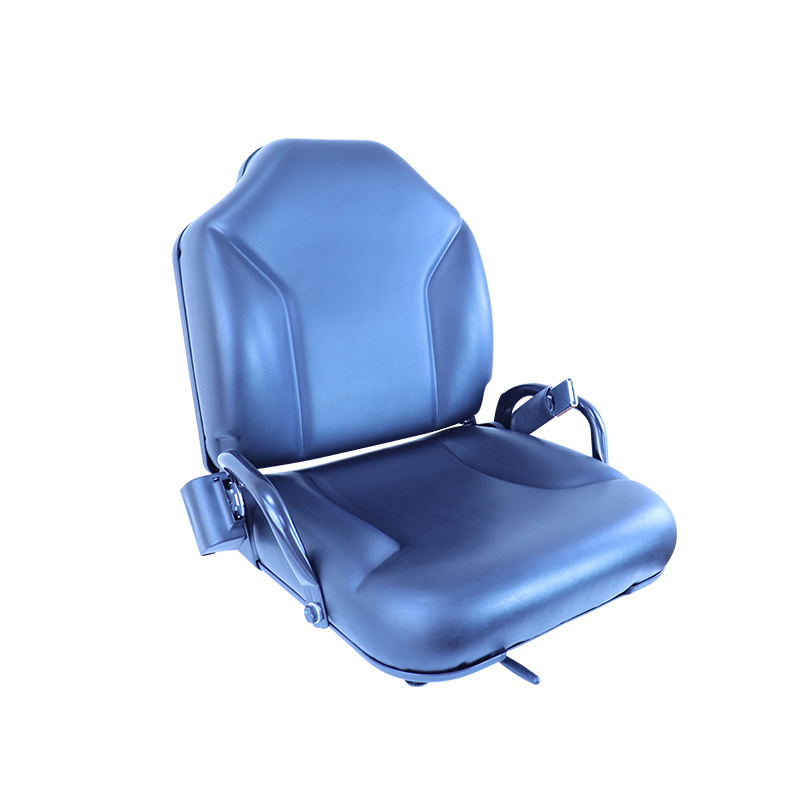
A professional blueprint specifies exterior materials clearly. A standard black forklift seat wrapped in heavy-duty PVC is common for its extreme durability. The dark color hides industrial grease effectively. Top-down drawings clearly indicate water drain channels. This is an indispensable feature for machinery operating outdoors in rain or snow. Mechanical drawings also dive deep into suspension mechanisms. The diagram details the vertical stroke, which typically ranges between 40mm and 60mm. This travel distance absorbs jarring workplace shocks before they reach the operator's spine. To ensure functionality across the entire workforce, drawings pinpoint the weight adjustment knob. They list supported load ranges, such as 50kg to 130kg.
Drawing Specification | Engineering Impact | Real-World Parameter Standard |
|---|---|---|
Mounting Hole Grid | Determines direct chassis compatibility without risky drilling. | Multiple pre-drilled patterns for universal fit. |
Slide Rail Travel | Accommodates different operator heights safely and efficiently. | 150mm fore and aft adjustment. |
Suspension Stroke | Reduces spinal impact from uneven warehouse floors. | 40mm to 60mm vertical travel. |
Weight Adjustment | Ensures the mechanical suspension engages correctly for the user. | 50kg to 130kg capacity range. |
Cross-referencing existing hardware with an online schematic requires precision. Grab a tape measure. First, measure the side-to-side and front-to-back distances between the centers of the mounting bolts on the current base. Match these exactly with the drawing's bottom view. Second, measure the maximum available width and height inside the cabin. Ensure the new backrest avoids friction against the steering column. Finally, verify all electrical connections. Match the wiring harness shown in the schematic with the machinery's existing connectors. Utilizing compatible plugs prevents risky wire splicing during installation.
The mounting hole pattern on the bottom of the base is paramount. If this specific grid does not perfectly match the vehicle chassis, the hardware cannot be safely installed without unauthorized and potentially dangerous modifications.
While many are advertised as universal, buyers must always check the technical drawing. A model with adjustable rails often features multiple mounting holes to accommodate various brands. Verifying the exact dimensions against your specific cabin space remains a strict requirement.
Look closely for specific callouts labeled Operator Presence Switch, micro-switch, or detailed wiring diagrams extending from the base plate. Models equipped with safety interlocks will also display wiring routes designated for the buckle sensor.
Black PVC is the universally accepted industry standard because it effectively hides industrial grease and dirt. It resists ultraviolet degradation and provides a highly waterproof barrier. This makes it ideal for both indoor warehouses and harsh outdoor environments.
Begin by measuring the side-to-side and front-to-back distances directly between the centers of the mounting bolts on your current setup. Following that, measure the maximum available width and height inside your cabin to ensure the replacement will fit without obstructing the controls.
The suspension stroke indicates the maximum vertical travel distance the internal mechanism can move to absorb shocks. A standard stroke of 40mm to 60mm ensures the operator is protected from heavy vibrations caused by uneven terrain.
Drilling new holes into a machine chassis or a certified seat base is highly discouraged. It compromises structural integrity and violates safety regulations. Always find a replacement with a mounting grid that matches your original specifications.
A detailed technical drawing is the most powerful tool for ensuring compatibility, comfort, and safety in material handling equipment. It goes far beyond mere aesthetics. It meticulously details everything from slide rail adjustments to critical micro-switch sensors. Always review the technical schematic thoroughly before purchasing a replacement. Investing a few extra minutes in reading the blueprint ensures you secure a durable, ergonomic, and perfectly fitting component. Ready to upgrade your fleet hardware without the guesswork? Evaluate your specific machinery requirements and find the exact match by exploring the premium engineered solutions at Everwin Seats today.