Views: 0 Author: Site Editor Publish Time: 2026-10-17 Origin: Site
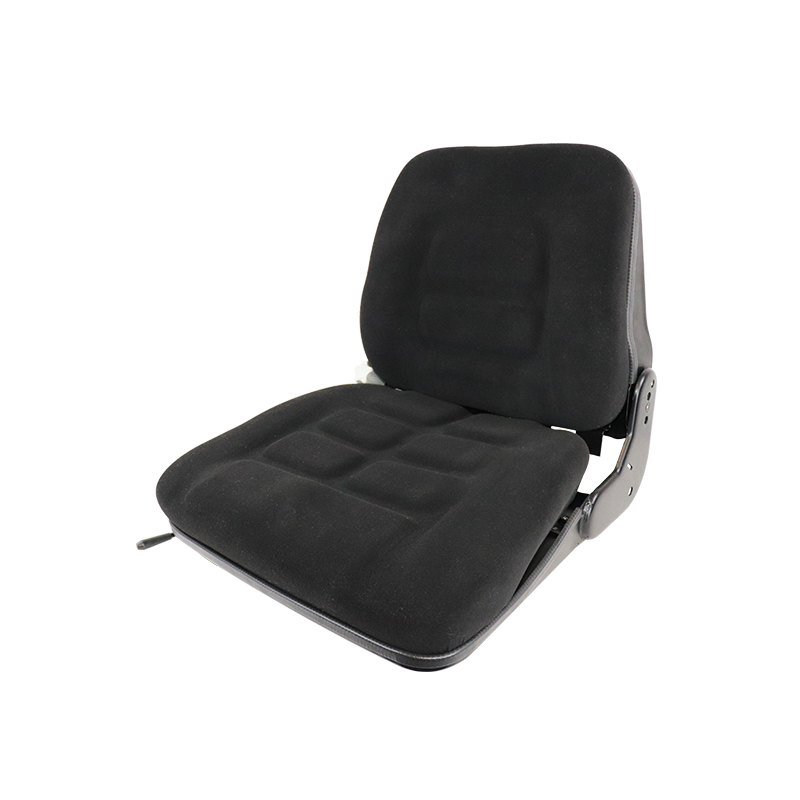
Upgrading your material handling equipment is essential for operator safety and warehouse productivity. However, ordering replacement parts in bulk without physically testing them first can quickly turn into a costly logistical nightmare. Why risk a fleet-wide ordering mistake? This is where the concept of dry fitting comes into play. Essentially, this process involves temporarily placing and aligning a sample unit into the machine cabin without bolting it down permanently. You avoid modifying the mounting deck or splicing sensitive wires. Whether your fleet requires a standard black forklift seat built for heavy outdoor use or a high-tech model equipped with advanced sensors, conducting a preliminary test fit is crucial. It ensures perfect compatibility, ergonomic comfort, and strict safety compliance. This comprehensive walkthrough provides an engineer-level guide to evaluating a sample. It helps you make a confident, risk-free purchasing decision for your entire fleet.
Risk Mitigation: Testing a sample prevents expensive fleet-wide ordering mistakes by verifying bolt patterns and cabin clearance prior to permanent installation.
Safety First: Temporarily bridging safety mechanisms guarantees compliance with occupational safety regulations without voiding warranties.
Ergonomic Validation: Allowing operators to physically test the suspension and legroom ensures long-term comfort and reduces fatigue.
Universal Adaptability: Identifying minor alignment discrepancies early helps determine if adapter plates are necessary for your specific upgrade.
In the realm of heavy machinery maintenance, dry fitting is a non-invasive trial run. It means positioning the aftermarket chair exactly where it will eventually sit. You evaluate its fit, form, and function. All of this happens without making irreversible alterations like drilling fresh holes into the chassis. Cutting into the factory wiring harness is strictly avoided. For fleet managers navigating the procurement process, requesting a single sample before outfitting fifty machines is a standard best practice.
Specifically, this proactive approach yields massive cost-saving benefits. Discovering a dimensional mismatch during a temporary placement saves hours of labor. It prevents damage to the sample itself, ensuring the unit remains eligible for a return. Ultimately, it shields your operation from unexpected downtime on the warehouse floor.
Before bringing the new unit onto the grease-stained concrete of the shop floor, you need a few basic tools. A standard tape measure and a bright flashlight are essential for navigating cramped cabin confines. Additionally, grab a set of digital calipers. These provide precise measurements for bolt hole distances. A basic leveling tool ensures the mounting deck remains flat after years of heavy use.
Furthermore, inspect the sample right out of the packaging. Resist the urge to immediately haul it to the machine. Check the material quality. Pay close attention to the stitching and the durability of the PVC covering. Verify specific features like water drain holes for outdoor lumber yard environments. Look for a folding backrest designed for tight enclosures. High-quality universal models typically feature a weight adjustment range of 50 to 120 kilograms. Confirm these parameters match your operational requirements before moving forward.
Safety dictates every move in a maintenance bay. Begin by powering down the machinery. Engage the parking brake and firmly disconnect the battery to prevent accidental shorts. Carefully unbolt the existing, worn-out chair from the engine cover. Take extra care not to strip the factory threads or damage the underlying deck. You need a pristine surface for the new installation.
In addition, with the old hardware out of the way, gently lower the sample unit onto the mounting plate. This is a delicate process. Avoid dragging the metal rails across the paint. Using your flashlight and calipers, measure the bolt hole patterns of the new base. Compare these dimensions with the pre-drilled holes on the chassis. They should align flawlessly or offer slotted channels that accommodate the existing layout. Standard mounting sizes like 280 by 281 millimeters are highly versatile.
A static fit is only half the battle. You must evaluate the fore and aft movement to accommodate drivers of varying heights. An adjustable slides forklift seat needs to glide smoothly along its tracks. Push it entirely forward to ensure it clears the steering column. Slide it all the way back to confirm it clears the rear cabin cage without pinching hydraulic lines. Standard slide rail travel distances usually hover around 150 millimeters.
Clearance is critical. This applies especially to units featuring upgraded pneumatic suspensions that sit higher than factory defaults. Have a technician sit in the temporarily placed chair. Check head clearance against the overhead guard. Verify that the operator retains unhindered, ergonomic access to all hydraulic levers, pedals, and emergency controls.
Modern material handling heavily relies on integrated safety networks. The primary component is the Operator Presence Switch, commonly known as the OPS. To dry test the wiring harness of a belt alarm forklift seat, visually match the pin connectors to the machine receiver. You can use temporary alligator clips or pigtail adapters. This bridges the connection and verifies the dashboard registers the sensor. You achieve this without permanently splicing or cutting the factory wires.
Beyond electronic sensors, physical restraints must be evaluated. Pull the seat belt to ensure it retracts smoothly without catching. The hip restraints should feel secure yet unobtrusive. This allows the driver to quickly mount and dismount the vehicle during fast-paced order picking cycles.
Warehouse floors are rarely perfectly smooth. Have an operator sit in the dry-fitted unit to compress the mechanical or air suspension. This real-world weight test confirms whether the shock absorption system functions as intended. Ensure the weight adjustment dial is easily accessible from a seated position and turns without excessive resistance.
Long shifts take a toll on the human body. Test the folding backrest mechanism. Lean back to assess the lumbar support. The ergonomic contouring should naturally cradle the spine. This is a vital factor in reducing cumulative operator fatigue and boosting daily productivity.
Analyzing recent shifts in the material handling sector reveals a growing emphasis on modularity and advanced ergonomics. As global supply chains face intermittent bottlenecks, fleet managers are rapidly pivoting away from rigid, original equipment manufacturer dependencies. Instead, there is a distinct surge in demand for highly adaptable aftermarket components. Driven by stricter occupational safety regulations and the urgent need to retain skilled labor in a competitive market, modern cabin environments are evolving. Integrating sophisticated sensor technologies and prioritizing spinal health are no longer luxury upgrades but baseline requirements. Consequently, evaluating these universal, feature-rich chairs through rigorous dry fitting has transitioned from a mundane maintenance chore into a highly strategic procurement protocol.
To make the evaluation process highly actionable, use the following comparison matrix. This helps technicians quickly identify if a forklift seat meets standard operational thresholds.
Inspection Point | Standard Factory Spec | Universal Aftermarket Target |
|---|---|---|
Slide Rail Travel | 100mm - 120mm | Up to 150mm for enhanced legroom |
Weight Adjustment | Fixed or limited range | 50kg to 120kg dynamic range |
Mounting Dimensions | Proprietary bolt patterns | Slotted rails supporting 280x281mm |
Safety Switch Protocol | Hardwired directly | Modular micro-switch with pigtail options |
It is not uncommon to find that the sample holes simply refuse to align with the older chassis deck. Rather than abandoning the unit, consider utilizing universal adapter plates or slotted mounting rails. These inexpensive brackets act as a bridge. They securely mate different configurations without requiring structural modifications.
When the micro-switch connectors differ between the new chair and the old equipment, panic is unnecessary. Using commercially available pigtail adapters allows you to connect a normally open switch to a normally closed system seamlessly. This preserves the sample warranty by completely avoiding the need to sever wires.
Sometimes, a robust suspension unit proves too wide for a narrow-aisle reach truck. It might sit too tall, compromising overhead safety. Discovering this physical limitation during a 15-minute trial run is exactly why this process exists. It represents a massive win for the buyer. You can easily pivot to a lower-profile model before committing thousands of dollars.
Consolidating fleet maintenance by sourcing a universal replacement that seamlessly fits multiple major equipment brands drastically simplifies inventory management. When making your selection, naturally gravitate towards top-tier features that offer the most versatility. Look for heavy-duty slide rails, folding backrests for tight clearances, and weather-resistant PVC materials. Strategic water drain holes are essential for machinery exposed to the elements.
In contrast to blind purchasing, once the dry fit proves entirely successful and all safety parameters are met, procurement teams can confidently execute bulk orders. This methodical approach guarantees that every new installation will be as seamless as the trial run.
In summary, the critical steps of dry fitting are indispensable. Precisely measuring bolt patterns, carefully positioning the unit, testing the mechanical slides, and verifying electronic safety connections form the core of this process. Taking just 15 minutes to run a sample through this non-invasive gauntlet saves an operation thousands of dollars in incompatible parts. It also prevents hours of frustrating downtime. By prioritizing this simple evaluation, you safeguard your investment and your workforce. We highly recommend evaluating your specific operational needs and exploring premium replacement options. Browse comprehensive, rigorously tested models at https://www.everwinseats.com to find the exact match for your machinery, ensuring effortless installation, optimum ergonomic support, and maximum safety compliance.
Yes, as long as you strictly adhere to the dry fit methodology. If you evaluate the unit without scratching the paint, modifying the slide rails, or cutting the electrical wires, most reputable suppliers will accept a return. They will gladly facilitate an exchange for a better-fitting model.
While many aftermarket options are marketed as universal and feature slotted mounting holes to accommodate a wide variety of brands, a physical trial is still absolutely required. This ensures proper cabin clearance, steering wheel spacing, and electrical compatibility with your specific machine computer.
Engineers typically use a simple jumper wire or alligator clips to bridge the pin connectors on the equipment side. This closes the circuit temporarily, allowing you to test the engine ignition and hydraulic functions while evaluating the physical fit of the new chair. Never leave a bypass in place during actual warehouse operations.
There is no single universal standard across all manufacturers. However, common dimensions frequently include 11 by 11 inches or 8 by 11.25 inches. Metric equivalents like 280 by 281 millimeters are also highly prevalent. High-quality adjustable units typically provide multiple mounting slots to seamlessly fit a much wider variety of bolt patterns.
During the evaluation, carefully compare the voltage requirements and the connector type. It is crucial to differentiate between a normally open versus a normally closed switch. If they differ, you may simply need a basic wire harness adapter to bridge the connection effectively.